
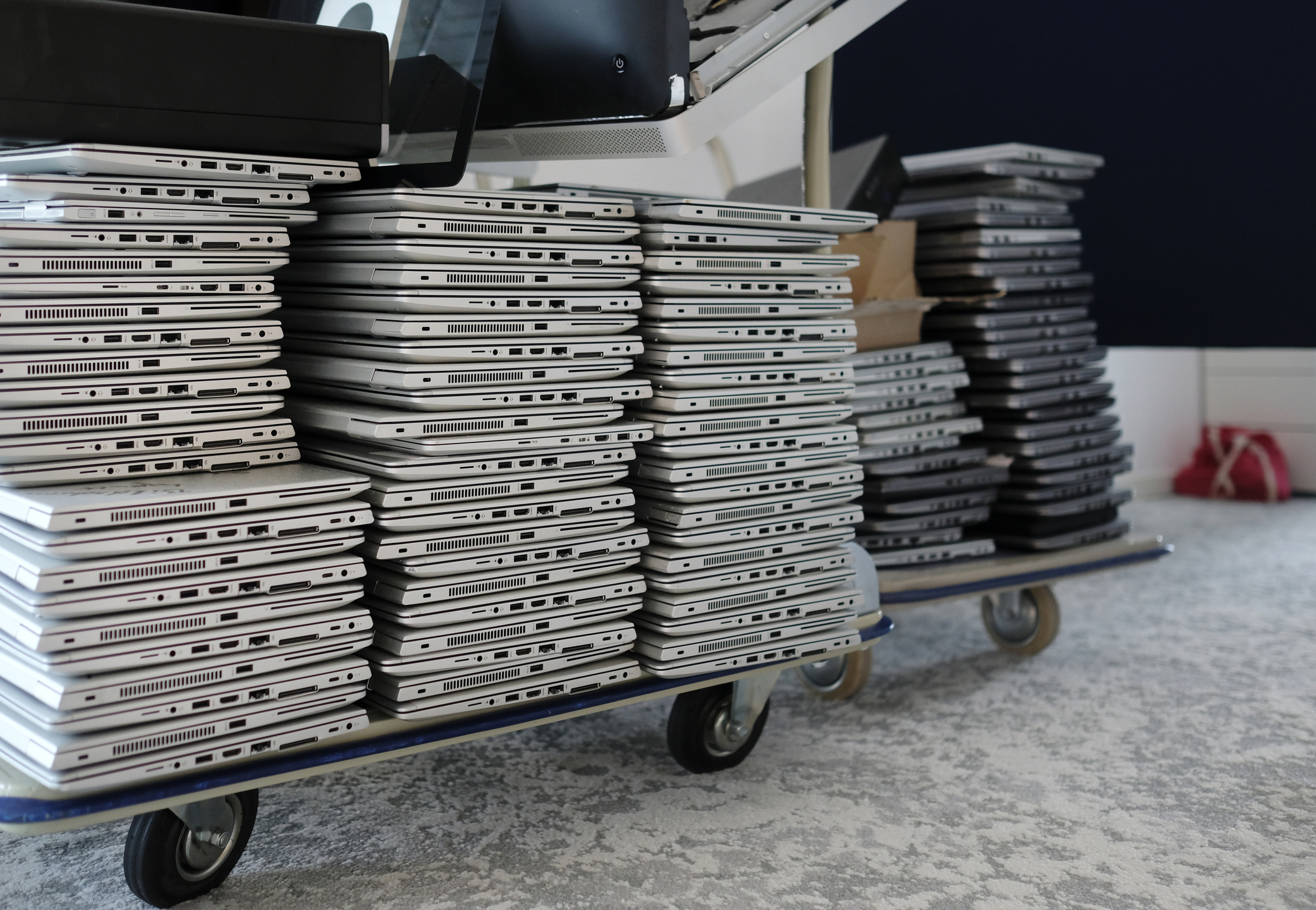
Technology disruptions can happen at the worst possible time – right before a big presentation, during state testing, or in the middle of an important project. That’s why many schools, districts, and organizations are turning to a loaner program to keep learning and productivity on track. Whether supporting students in higher education, staff during remote work, or employees handling critical work-related tasks, a well-structured loaner program ensures continuity without sacrificing data security or efficiency.
But simply handing out devices isn’t enough. To truly optimize your loaner program, you need thoughtful planning, reliable device management, and strong security measures. Below are the smart do’s and don’t’s that will help you streamline your workflows, protect sensitive information, and create a dependable device loan experience.
Do: Build a Loaner Program Around a Clear Policy
Every successful loaner program starts with a clear policy. Establish guidelines for eligibility, define the approved loan period, and outline expectations for device usage. When borrowers understand their responsibilities, your team can reduce confusion and prevent unnecessary strain on the service desk or help desk.
A transparent policy should cover everything from acceptable functions to consequences for misuse, including restrictions on social media if devices are intended strictly for academic or professional purposes. This type of structure helps your loaner program initiative remain consistent and fair.
Don’t: Leave rules open to interpretation. Without clear documentation, your loan program may quickly become difficult to manage.
Do: Prioritize Device Management and Asset Tracking
Strong device management is the backbone of any scalable loaner program. Combining it with effective asset management system allows IT teams to monitor inventory in real-time, track device locations, and automate notifications when equipment is overdue.
Modern platforms, especially those integrated with Microsoft tools, can help streamline checkouts, approvals, and reporting. This makes your laptop loaner program easier to manage while providing valuable metrics on utilization and performance.
Be sure to establish a formal check in process so returned equipment can be inspected, wiped, and redeployed quickly.
Don’t: Rely on spreadsheets alone. Manual tracking slows workflows and increases the risk of lost devices.
Do: Strengthen Cybersecurity and Data Protection
A secure loaner program protects both users and your organization. Implement layered security measures such as authentication, encrypted storage, and updated antivirus software to defend against threats.
Pay close attention to cybersecurity, data privacy, and overall data security, particularly when devices may store sensitive information. Automated updates for the operating system help close vulnerabilities before they become problems.
Using real-time monitoring tools can also alert IT teams to suspicious activity, ensuring your loaner program remains resilient.
Don’t: Assume users will configure security themselves. Protection should be built into every device loan from the start.
Do: Offer the Right Mix of Loaner Devices
Not every situation calls for the same hardware. Some users may need loaner laptops for extended coursework, while others benefit from mobile devices like smartphones or tablets for communication during work hours.
Consider maintaining a flexible inventory that supports short-term and longer assignments. Standardizing device functions across models makes troubleshooting easier for the help desk and improves the overall device loan experience.
Organizations supporting hybrid environments should also plan for employees who typically use their own device but require temporary replacements.
Don’t: Overcomplicate your inventory with too many configurations—it drives up pricing and slows deployment.
Do: Streamline Workflows with Automation and Self-Service
Automation can transform your loaner program from reactive to proactive. A self-service portal allows users to request equipment, review eligibility, and receive automated notifications without overwhelming your service desk.
With real-time approvals and routing, IT teams can streamline internal workflows while focusing on higher-value tasks. Automation also supports consistent documentation, helping you refine the loaner program over time.
Don’t: Force every request through manual approval chains. Bottlenecks reduce the effectiveness of your loaner program.
Do: Support Laptop Loan and Remote Work Needs
A structured laptop loan process is essential for continuity, especially during device repairs or unexpected outages. Providing reliable loaner laptops ensures employees and students remain productive whether they’re on campus or working remotely.
For teams managing remote work, preconfigured devices with the correct apps and security settings eliminate setup delays. This approach keeps work-related activities running smoothly while reinforcing security measures.
Don’t: Send devices out unprepared. The configuration of the device should always align with organizational standards.
Do: Measure and Optimize Your Loaner Program
Tracking performance is key to long-term success. Evaluate metrics such as turnaround time, repeat requests, and device availability to optimize your loaner program.
Regular analysis can reveal gaps in inventory, highlight opportunities to streamline support, and guide smarter purchasing decisions. Over time, this data-driven approach helps transform your loaner program into a strategic advantage rather than just a backup solution.
Don’t: Treat your loaner program as a set-it-and-forget-it effort. Continuous improvement keeps it relevant.
Final Thoughts
A thoughtfully designed loaner program ensures uninterrupted learning, minimizes downtime, and supports modern digital environments across higher education and professional settings alike.
By focusing on device management, enforcing strong security measures, refining workflows, and maintaining dependable loaner devices, your organization can build a loaner program that is both efficient and secure. Whether supporting smartphones, laptops, or other essential tools, the right strategy turns every device loan into a seamless experience.
When implemented correctly, a loaner program becomes a powerful operational safeguard, keeping users connected, protected, and productive no matter what challenges arise.
Need help managing repairs? Reach out to iResQ today!