
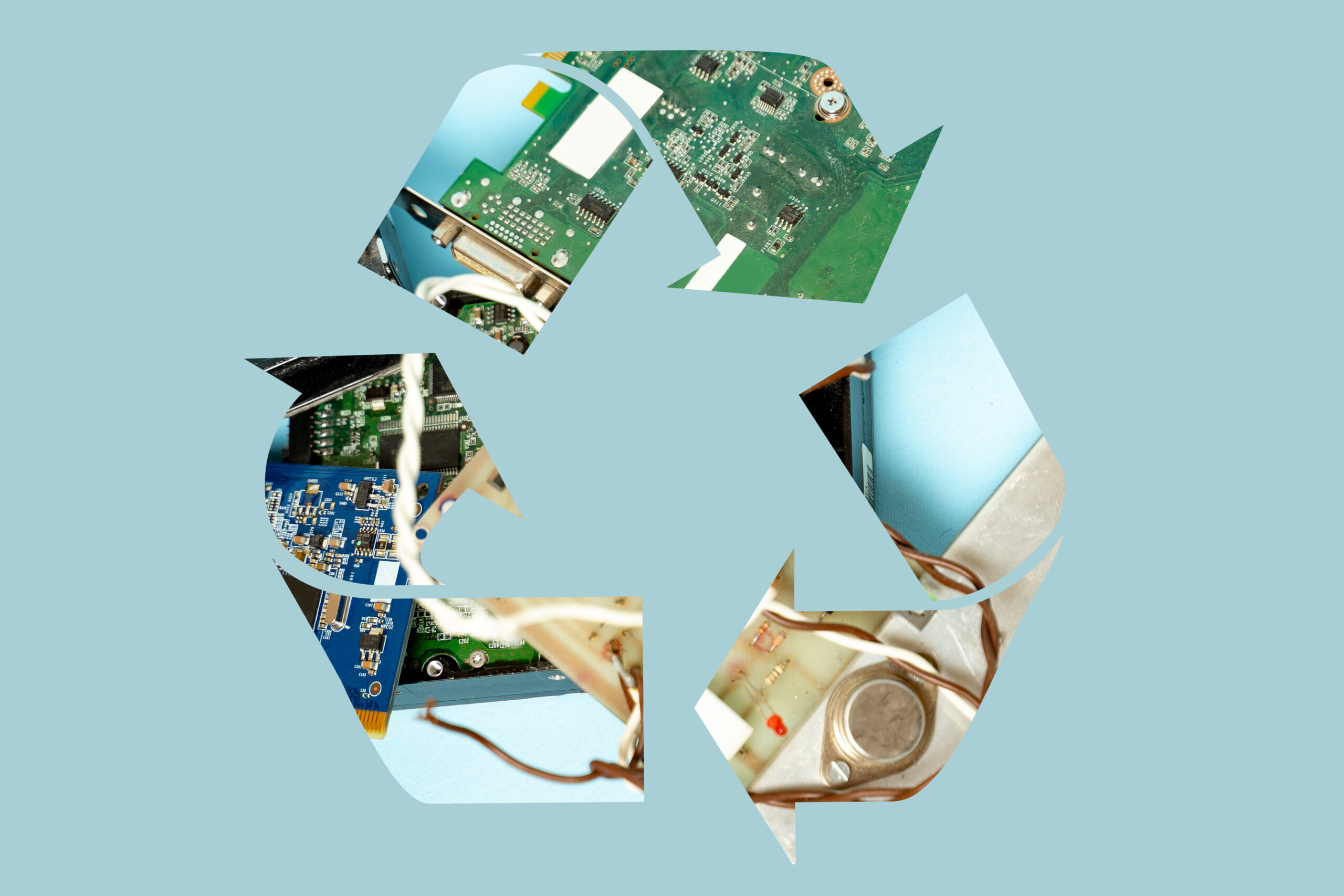
As schools continue to integrate more electronic devices into classrooms, from laptops and tablets to smartphones and cloud-based learning platforms, the conversation around sustainable technology has become more important than ever. School districts are uniquely positioned to lead the way in sustainability, teaching students not only how to use technology, but how to manage it responsibly throughout its entire lifecycle.
Why Sustainable Technology Matters in Schools
Technology plays a major role in education, but it also contributes to growing electronic waste, often referred to as e-waste. When old devices are thrown into landfills, harmful materials like cadmium and other toxic components can negatively affect the environment and local ecosystems. The environmental impact of improper e-waste disposal continues to grow as schools upgrade technology more frequently.
Implementing sustainable technology strategies helps schools reduce their carbon footprint, minimize energy consumption, and promote environmental stewardship among students and staff.
Recycling Programs and E-Waste Management
One of the most effective ways schools can embrace sustainable technology is through recycling programs and proper e-waste management. Many schools now partner with electronics recycling and recycling services providers to ensure proper disposal of outdated equipment.
Schools can implement:
- E-waste collection days
- Technology drop-off locations
- Partnerships with nonprofits
- Community awareness campaigns
- Certified responsible recycling vendors
These initiatives help ensure that raw materials from old electronics can be recovered and reused instead of ending up in landfills. Proper e-waste recycling also reduces strain on the global supply chain by reusing valuable materials.
Repairing and Extending Device Lifespan
Another important part of sustainable technology is extending the lifespan of devices through repairs instead of immediate replacement. Simple repairs like replacing a keyboard, battery, or screen can add years to a device’s usable life.
By focusing on repair and maintenance, school districts can:
- Reduce electronic waste
- Lower technology costs
- Support sustainable practices
- Provide hands-on learning opportunities for students interested in technology
- Create student learning experiences around device repair and IT asset management
Teaching students how devices are repaired and maintained also supports school programs focused on technology, engineering, and sustainability certifications.
Refurbished and Repurposed Devices
Schools can also adopt sustainable technology by purchasing refurbished equipment or creating programs where devices are repurposed for other uses. For example, older laptops can be used for basic classroom tasks, testing environments, or student loaner programs.
Refurbished Apple devices, tablets, and cell phones can often perform just as well for educational purposes while significantly reducing energy consumption and manufacturing demand for new electronic devices.
This approach reduces the overall environmental impact and supports a more sustainable future for education technology.
Building a Culture of Sustainability in Schools
To truly implement sustainable technology, schools should build sustainability into their technology policies and curriculum. This can include:
- Student-led awareness campaigns
- Technology recycling programs
- E-waste recycling education
- IT asset and e-waste management tracking metrics
- Sustainability partnerships with local organizations
- Tracking device lifecycle and repair rates
When students understand where technology comes from, how it is repaired, and how it should be disposed of, they become more environmentally responsible users of technology.
Moving Toward a Sustainable Future
Sustainable technology is more than recycling old devices. It’s also about rethinking how schools purchase, use, repair, and dispose of technology. By focusing on reuse, upgrades, responsible recycling, and e-waste disposal programs, schools can significantly reduce their environmental impact while saving money and creating valuable educational opportunities.
By investing in sustainable technology, school districts help protect the environment, reduce electronic waste, and teach students the importance of sustainability and environmental responsibility preparing them for a more sustainable future.